11 Best Pest Control Tips and Practices for Wisconsin Residents
Discover the best pest control tips and eco-friendly practices for Wisconsin homeowners. Learn how to tackle common pests effectively in 2026.
11 Best Pest Control Tips and Practices for Wisconsin Residents
Welcome to a comprehensive guide tailored for Wisconsin homeowners eager to tackle pest problems effectively and sustainably. In this article, you'll discover a wealth of information on pest control services, from choosing the top-rated providers to exploring eco-friendly options that prioritize the environment. We'll delve into the common pests that plague Wisconsin homes and offer practical DIY tips to keep them at bay. You'll also learn about the costs associated with professional pest control and how to identify signs that it's time to call in the experts. As you navigate through seasonal strategies and preventative measures, you'll be equipped with the knowledge to protect your home year-round. Customer reviews and frequently asked questions will further guide you in making informed decisions, ensuring you have all the tools needed to maintain a pest-free environment. Whether you're dealing with ants, rodents, or termites, this guide is your go-to resource for effective pest management in Wisconsin.
1. Top Rated Pest Control Services in Wisconsin
Understanding Key Criteria for Choosing Pest Control Services
Before selecting a pest control service in Wisconsin, it's important to understand the key criteria that can guide your decision. One of the primary factors is the range of services offered. Some companies specialize in specific pests like termites or rodents, while others provide comprehensive solutions. Additionally, consider the experience and qualifications of the technicians. Look for certifications and training that ensure they are equipped to handle various pest issues effectively.
Another crucial aspect is the methods and products used. Many services now offer eco-friendly options that are safe for pets and children, which might be a priority for your household. Lastly, evaluate their customer service and reputation through reviews and testimonials. A company with a strong track record of satisfied customers is often a reliable choice.
Avoiding Common Mistakes in Pest Control Selection
One common mistake when choosing a pest control service is focusing solely on price. While budget is important, the cheapest option may not always provide the best results. It's essential to balance cost with the quality of service. Another error is neglecting to check for insurance and guarantees. A reputable company should offer guarantees on their work and have insurance to cover any potential damages or issues.
Additionally, failing to ask about the treatment process and follow-up can lead to dissatisfaction. Ensure you understand what the service entails, how long it will take, and what kind of follow-up or maintenance is required. This clarity will help set realistic expectations and ensure you receive the best possible outcome for your pest control needs.
As you explore the best pest control services available, it's also important to consider eco-friendly options that can effectively manage pests while being mindful of the environment.
2. Eco-Friendly Pest Control Options for Wisconsin Residents
Understanding Eco-Friendly Pest Control
Eco-friendly pest control focuses on minimizing the environmental impact of pest management practices while effectively controlling pest populations. This approach often involves using natural predators, organic pesticides, and integrated pest management (IPM) techniques. IPM is a holistic strategy that combines biological, physical, and chemical tools to manage pests in a way that is safe for both humans and the environment.
For Wisconsin residents, understanding these methods is crucial before selecting an eco-friendly pest control service. It’s important to recognize that while these methods are safer for the environment, they may require more time and patience compared to traditional chemical treatments. However, the long-term benefits, such as improved soil health and reduced chemical exposure, often outweigh these considerations.
Common Mistakes and How to Avoid Them
One common mistake is assuming that all eco-friendly solutions are equally effective for every pest problem. Each pest requires a specific approach, and what works for one may not work for another. For instance, using neem oil might be effective against aphids but less so against rodents. It's essential to identify the pest accurately and choose a method tailored to that specific issue.
Another pitfall is neglecting to monitor the effectiveness of the chosen method. Regular monitoring helps determine if the pest control strategy is working or if adjustments are needed. For example, if you notice an increase in pest activity, it might be necessary to employ additional measures or consult a professional for advice.
Practical Steps for Implementing Eco-Friendly Pest Control
To implement eco-friendly pest control effectively, start by identifying the pest and understanding its lifecycle. This knowledge will help you choose the most appropriate control method. For instance, introducing beneficial insects like ladybugs can help control aphid populations naturally.
Next, consider the trade-offs of each method. While natural predators and organic pesticides are generally safer, they might take longer to show results. Evaluate the urgency of your pest problem and decide accordingly. If immediate results are necessary, combining eco-friendly methods with minimal chemical use might be the best approach.
Finally, maintain a regular monitoring schedule to assess the success of your pest control efforts. This proactive approach ensures that you can make timely adjustments and maintain a healthy balance in your ecosystem.
| Method | Pros | Cons |
|---|---|---|
| Natural Predators | Safe for environment, long-term solution | Slow results, specific to certain pests |
| Organic Pesticides | Reduced chemical exposure, biodegradable | May require frequent application, variable effectiveness |
| Integrated Pest Management (IPM) | Comprehensive, sustainable | Requires expertise and monitoring |
Understanding eco-friendly pest control options can significantly influence your decision when selecting a pest control company, ensuring you choose one that aligns with your values and needs.
How to Choose the Right Pest Control Company in Wisconsin
Key Considerations Before Making a Decision
When you're on the hunt for the best pest control in Wisconsin, it's crucial to start by understanding your specific needs. Are you dealing with a seasonal pest problem, or is it a year-round issue? Knowing this can help you determine whether you need a one-time service or a regular maintenance plan. Additionally, consider the type of pests you're dealing with, as some companies specialize in certain areas, such as termites or rodents.
Another important factor is the company's reputation. Look for reviews and ratings from previous customers to gauge their satisfaction levels. A company with a strong track record of success and positive feedback is often a reliable choice. Don't forget to verify their certifications and licenses, as these ensure compliance with state regulations and standards.
Avoiding Common Mistakes
One common mistake is choosing a pest control company based solely on price. While it's tempting to go with the cheapest option, this can sometimes lead to subpar service. Instead, focus on the value offered. A slightly higher price might include more comprehensive services or longer-lasting results.
Another pitfall is failing to ask about the methods and products used. It's essential to ensure that the company uses safe and environmentally friendly practices, especially if you have children or pets. Ask about the chemicals they use and if they offer organic or low-toxicity options.
Steps to Evaluate Success
After selecting a pest control company, it's important to evaluate the effectiveness of their services. Start by monitoring the pest activity in your home or business. A noticeable reduction in pests is a good indicator of success. If the problem persists, it might be necessary to contact the company for a follow-up treatment.
Another way to assess the service is by reviewing the company's responsiveness and customer support. Were they prompt in addressing your concerns? Did they provide clear instructions for any follow-up actions you needed to take? These aspects are crucial for ensuring a satisfactory experience.
For more insights on timing your pest control efforts, you might find this resource helpful: Best Time Pest Control Milwaukee.
Understanding the common pests in Wisconsin is essential for effective pest control, as it allows you to tailor your approach based on the specific challenges you may face.
3. Common Pests in Wisconsin and Effective Control Methods
Identifying When Professional Pest Control is Necessary
In Wisconsin, pests such as termites, rodents, and stinging insects are commonly encountered. While some pests might be manageable with DIY methods, others can pose significant threats to your home and health, requiring professional intervention. For instance, termites are notorious for causing structural damage and should be addressed by experts immediately. Similarly, dealing with stinging insects like wasps or hornets on your own can be dangerous and is best left to professionals.
Homeowners often wonder when it's time to call in the pros. A good rule of thumb is to consider the type of pest and the extent of the infestation. If you notice signs of a serious infestation, such as multiple nests or extensive damage, it's wise to seek professional help. Additionally, if your DIY efforts are not yielding results, it might be time to consult with a pest control company.
Criteria for Evaluating Pest Control Companies
Choosing the best pest control in Wisconsin involves evaluating several key factors. First, check the company's qualifications and ensure they are licensed and insured. This not only guarantees their credibility but also protects you from potential liabilities. Look for companies that have experience dealing with the specific pests you're facing, as expertise can significantly impact the effectiveness of the treatment.
Another important criterion is the company's approach to pest control. Opt for providers who use environmentally friendly methods whenever possible, as these are safer for both your family and the environment. Additionally, consider their customer service and responsiveness. A company that offers prompt service and clear communication can make the pest control process much smoother.
For more guidance on pest control options, you can visit this resource to get professional help tailored to your needs.
- Identify the type of pest and assess the severity of the infestation.
- Check the qualifications and experience of pest control companies.
- Evaluate the environmental impact of the pest control methods used.
- Consider customer reviews and the company's responsiveness.
Understanding the common pests and their control methods is essential, but it's equally important to consider the financial aspects of pest control services in Wisconsin.
4. Understanding Pest Control Costs in Wisconsin
Key Factors Influencing Pest Control Costs
When considering pest control services in Wisconsin, it's essential to understand the factors that influence pricing. The type of pest is one of the primary determinants, as different pests require varying levels of treatment complexity. For instance, dealing with termites often involves more intensive procedures compared to ants, which can impact costs significantly.
Another crucial factor is the size of the infestation. Larger infestations generally require more resources and time to address, leading to higher charges. Additionally, the size of your property can also play a role, as larger areas may need more extensive treatment. Lastly, the frequency of service—whether you choose a one-time treatment or a recurring service plan—can affect your overall expenses.
Avoiding Common Mistakes When Estimating Costs
One common mistake homeowners make is underestimating the scope of their pest problem, leading to unexpected costs later. It's advisable to get a professional assessment to accurately determine the extent of the issue. Another pitfall is opting for the cheapest service without considering the quality of treatment. Inadequate pest control can result in recurring problems, eventually costing more in the long run.
To make informed decisions, it's beneficial to compare quotes from different providers. Look for companies that offer transparent pricing and detailed breakdowns of what their services include. This approach not only helps you understand what you're paying for but also ensures you receive effective pest control solutions tailored to your needs.
For more insights into pest challenges throughout the year, you can explore the common household pests in Germantown, WI.
As you consider the costs associated with pest control, it's also important to explore practical DIY approaches that can help you manage pest issues effectively at home.
5. DIY Pest Control Tips for Homeowners in Wisconsin
Common Pests in Wisconsin Homes
Wisconsin homeowners often encounter a variety of pests, including ants, bees, and cockroaches. These pests are not only annoying but can also cause significant damage if not controlled effectively. Ants, for example, can form large colonies that are difficult to eliminate without targeted methods. Cockroaches, known for their resilience, can contaminate food and spread disease. Bees, while beneficial for pollination, can become a problem when they build hives close to human activity.
Understanding the behaviors of these pests is crucial for effective control. Ants are typically drawn to sugary substances, while cockroaches thrive in dark, moist environments. By identifying these habits, you can take proactive measures to reduce their presence in your home.
DIY Pest Prevention and Control Methods
Preventing pests from entering your home is often the first line of defense. Simple steps like sealing cracks and crevices, fixing leaky pipes, and keeping food stored in airtight containers can make a significant difference. Additionally, regular cleaning and decluttering can help eliminate potential hiding spots for pests.
For those already dealing with pest issues, DIY methods can be quite effective. Using traps and baits is a cost-effective strategy to manage pest populations. For instance, ant baits can help control colonies by targeting the queen. Natural remedies, such as vinegar or essential oils, can also deter pests without harmful chemicals.
However, it's important to recognize when DIY measures are insufficient. If pest infestations persist despite your efforts, it may be time to consider professional pest control services. For more information on professional options, visit Lakeside Pest Control for a comprehensive overview of available services.
- Seal entry points like cracks and gaps.
- Maintain a clean and clutter-free environment.
- Use natural deterrents such as essential oils.
- Deploy traps and baits for specific pests.
- Monitor pest activity regularly to catch early signs of infestation.
- Ants: Use bait stations to target colonies.
- Cockroaches: Set glue traps in dark areas.
- Bees: Contact professionals for hive removal.
Understanding DIY methods is essential, but to effectively manage pests throughout the year, it's important to implement seasonal strategies tailored to Wisconsin's unique climate and pest challenges.
6. Seasonal Pest Control Strategies for Wisconsin
Understanding Seasonal Pest Patterns
Before diving into pest control strategies, it's crucial to understand that pest activity in Wisconsin varies with the seasons. For instance, spring often sees an increase in ants and termites as they become more active after winter. Summer brings mosquitoes and ticks, while fall is a prime time for rodents seeking warmth. Recognizing these patterns helps you anticipate and address pest issues before they escalate.
By aligning your pest control efforts with these seasonal patterns, you can effectively minimize infestations. For example, focusing on termite prevention in early spring can save you from significant damage later. Similarly, preparing for rodent control as temperatures drop can prevent these pests from entering your home.
Avoiding Common Pest Control Mistakes
One common mistake in pest control is reacting only when a problem becomes visible. Proactive measures, such as regular inspections and maintenance, are essential. For instance, sealing cracks and installing screens can prevent pests from entering your home in the first place. Another error is using the wrong type of pesticide, which can be ineffective or even harmful. Always choose products specifically designed for the pests you're targeting and follow instructions carefully.
Evaluating the effectiveness of your pest control strategy is also vital. If you notice persistent pest activity despite your efforts, it might be time to reassess your approach or consult a professional. Monitoring pest activity and keeping records can help you determine whether your current strategy is working or needs adjustment.
| Season | Common Pests | Recommended Actions |
|---|---|---|
| Spring | Ants, Termites | Inspect and treat for termites, seal entry points |
| Summer | Mosquitoes, Ticks | Use repellents, remove standing water |
| Fall | Rodents | Seal cracks, set traps |

Understanding seasonal pest control strategies is essential, but recognizing when to call in professionals can make a significant difference in effectively managing pest issues.
7. Signs You Need Professional Pest Control Services
Common Indicators of Pest Infestation
Recognizing the signs of a pest infestation early can save you time, money, and stress. Common indicators include droppings, unusual odors, and visible damage to your property. For instance, rodents often leave gnaw marks on wires and furniture, while insects such as termites might cause structural damage to wooden elements. If you notice these signs, it's crucial to act swiftly to prevent further damage.
In Wisconsin, certain pests are more prevalent due to seasonal changes. For example, ants and mosquitoes are more common during warmer months, while rodents might seek shelter indoors as temperatures drop. Being aware of these patterns can help you stay vigilant and prepared.
When to Call a Pest Control Service
If you're experiencing a severe infestation or notice pests that are difficult to manage on your own, it's time to consider professional help. Licensed pest control professionals in Wisconsin are equipped to handle a wide range of pests, including insects, rodents, and wildlife. They offer 24/7 emergency services to address urgent issues, ensuring your home remains safe and comfortable.
Before initiating treatment, professionals typically conduct a thorough assessment, followed by a detailed treatment plan. This process often includes follow-up inspections to ensure the effectiveness of the solution. Expect clear communication and upfront pricing, so there are no surprises during the process. For more information on pest control services, you can visit this resource to explore options for the best pest control in Wisconsin.
Understanding the signs that indicate a need for professional pest control services can help you make informed decisions. Once you recognize these signs, it's important to know what to expect during a pest control treatment.
8. What to Expect During a Pest Control Treatment
Understanding the Pest Control Process
Before starting a pest control treatment, it's essential to understand the process. A professional technician will typically begin with a thorough inspection of your property to identify the type of pests and the extent of the infestation. Expect questions about your pest sightings and any damage you've noticed, as this assessment is crucial for developing a tailored treatment plan.
After the inspection, the technician will discuss recommended treatment options, which may include chemical treatments, traps, or non-chemical methods, depending on the pest type and severity. It's important to ask questions to fully understand the methods being used and any necessary precautions.
Avoiding Common Mistakes During Treatment
A common mistake during pest control treatments is not following the technician's instructions. You might be advised to stay out of certain areas for a specified period after treatment. Ignoring these instructions can reduce the treatment's effectiveness and pose health risks. Always adhere to the guidelines provided to ensure the best results.
Another mistake is failing to prepare your home adequately before treatment. Clear the areas that need to be treated and remove any items that could be contaminated. This preparation allows the technician easy access and ensures the treatment is as effective as possible.
For a successful pest control treatment, choose a reputable service that provides clear communication and a detailed action plan. Consider exploring Pest Badger, known for their comprehensive approach in Wisconsin.
9. Preventative Measures to Keep Pests Away in Wisconsin
Common Pests and Their Seasonal Behaviors
In Wisconsin, the type of pests you might encounter varies with the seasons. During the spring and summer months, ants, especially carpenter ants, become a significant concern. These pests are not just a nuisance; they can cause considerable damage to wooden structures if not managed promptly. As the weather cools in fall and winter, rodents like mice and rats seek shelter indoors, often causing damage to insulation and wiring.
Understanding the seasonal behavior of pests can help you take timely action. For instance, knowing that ants are more active in warmer months allows you to implement preventative measures before they become a problem. Similarly, preparing your home for rodent activity in the fall can save you from potential infestations.
Effective Strategies for Pest Prevention
Preventative measures are crucial in keeping pests out of your home. Start by sealing any potential entry points. This includes gaps around windows and doors, cracks in the foundation, and openings around utility lines. By blocking these access points, you can significantly reduce the chances of pests entering your living space.
Maintaining a clean environment is another effective strategy. Pests are often attracted to food and moisture, so ensure that your kitchen and other areas are free of crumbs and spills. Regularly dispose of garbage and keep food stored in airtight containers. Additionally, address any moisture issues, such as leaky pipes or standing water, which can attract pests.
Regular inspections are also vital. By conducting thorough checks around your home, you can identify potential nesting sites and entry points before they become a larger problem. Consider enlisting professional pest control services for comprehensive inspections and tailored solutions to your local needs. For more information on pest control services in Barron, Wisconsin, visit this resource.
- Seal gaps around windows and doors.
- Keep food in airtight containers.
- Regularly dispose of garbage.
- Fix leaky pipes and eliminate standing water.
- Conduct regular home inspections.
10. Customer Reviews: Best Pest Control Companies in Wisconsin
Understanding Customer Reviews Before Taking Action
Customer reviews are a crucial resource when choosing a pest control company in Wisconsin. They provide firsthand accounts of customer experiences, helping you gauge the reliability and effectiveness of different services. Before diving into reviews, it's essential to understand what to look for. Focus on reviews that discuss the company's response time, effectiveness of treatments, and customer service quality. These aspects often determine the overall satisfaction with the service.
It's also important to consider the volume and recency of reviews. A company with numerous recent positive reviews is likely maintaining a high level of service. However, be cautious of companies with only a few reviews or those that seem overwhelmingly positive without specifics, as these can sometimes be misleading.
Common Mistakes and How to Avoid Them
A common mistake when evaluating pest control companies is relying solely on the star rating without reading the detailed feedback. Star ratings provide a quick overview but may not reflect specific issues or strengths. Always read a mix of positive and negative reviews to get a balanced perspective. Look for patterns in the feedback to identify consistent strengths or weaknesses.
Another pitfall is not considering the context of negative reviews. Sometimes, issues arise from misunderstandings or unrealistic expectations. Pay attention to how the company responds to criticism, as this can demonstrate their commitment to customer satisfaction. A company that actively engages with unhappy customers and resolves issues is often more reliable.
| Company | Strengths | Weaknesses |
|---|---|---|
| ABC Pest Solutions | Fast response, effective treatments | Higher pricing |
| GreenGuard Pest Control | Eco-friendly methods, excellent customer service | Limited service area |
To ensure you're making an informed decision, consider visiting Pest Control Costs Wisconsin 2026 for insights into pricing and service options in your area. This can help you weigh the pros and cons of each company based on your budget and specific needs.
- Focus on detailed reviews over star ratings.
- Consider the company's response to negative feedback.
- Check for recent and numerous reviews for reliability.
Understanding customer reviews can greatly enhance your knowledge about the best pest control options available in Wisconsin, paving the way for informed decisions as you address your pest concerns.
11. Frequently Asked Questions About Pest Control in Wisconsin
What You Need to Know Before Taking Action
Before diving into pest control solutions, it's crucial to understand the specific pest issues you are facing. Different pests require different treatments, and what works for one may not work for another. For instance, the approach to dealing with termites will differ significantly from handling a rodent infestation. Identifying the pest correctly is the first step in choosing the most effective treatment.
Additionally, consider the environmental impact of the pest control methods you plan to use. Some treatments may be harmful to pets, children, or beneficial insects like bees. It’s often wise to consult with a professional to ensure that the chosen method is both effective and safe for your household and the environment.
Common Mistakes and How to Avoid Them
One common mistake homeowners make is underestimating the extent of an infestation. This can lead to inadequate treatments that fail to address the root of the problem. Regular inspections and monitoring can help prevent this oversight by catching pest issues early. If you're unsure about the severity of an infestation, seeking professional advice can provide clarity and prevent future complications.
Another frequent error is not following up after treatment. Pest control is not always a one-time fix. Depending on the pest and the treatment used, follow-up actions may be necessary to ensure that the pests do not return. This could include regular maintenance treatments or implementing preventative measures such as sealing entry points or removing food sources.
Conclusion
In conclusion, mastering pest control in Wisconsin involves a strategic blend of choosing top-rated services, understanding eco-friendly options, and implementing effective DIY practices. By recognizing the specific pests common in Wisconsin, such as termites and rodents, and using targeted control methods, you can safeguard your home efficiently. It's crucial to consider the costs and benefits of professional services, especially when dealing with significant infestations that DIY methods can't handle. Seasonal strategies are essential, as different pests peak at various times of the year, requiring tailored approaches. Additionally, recognizing signs that necessitate professional intervention ensures timely action, preventing further damage. Customer reviews provide valuable insights into the reliability and effectiveness of pest control companies, helping you make informed decisions. As you navigate these aspects, remember that preventative measures are key to maintaining a pest-free environment. Your next step could be to evaluate your current pest control strategies and consult with a professional service to ensure comprehensive protection tailored to your needs.
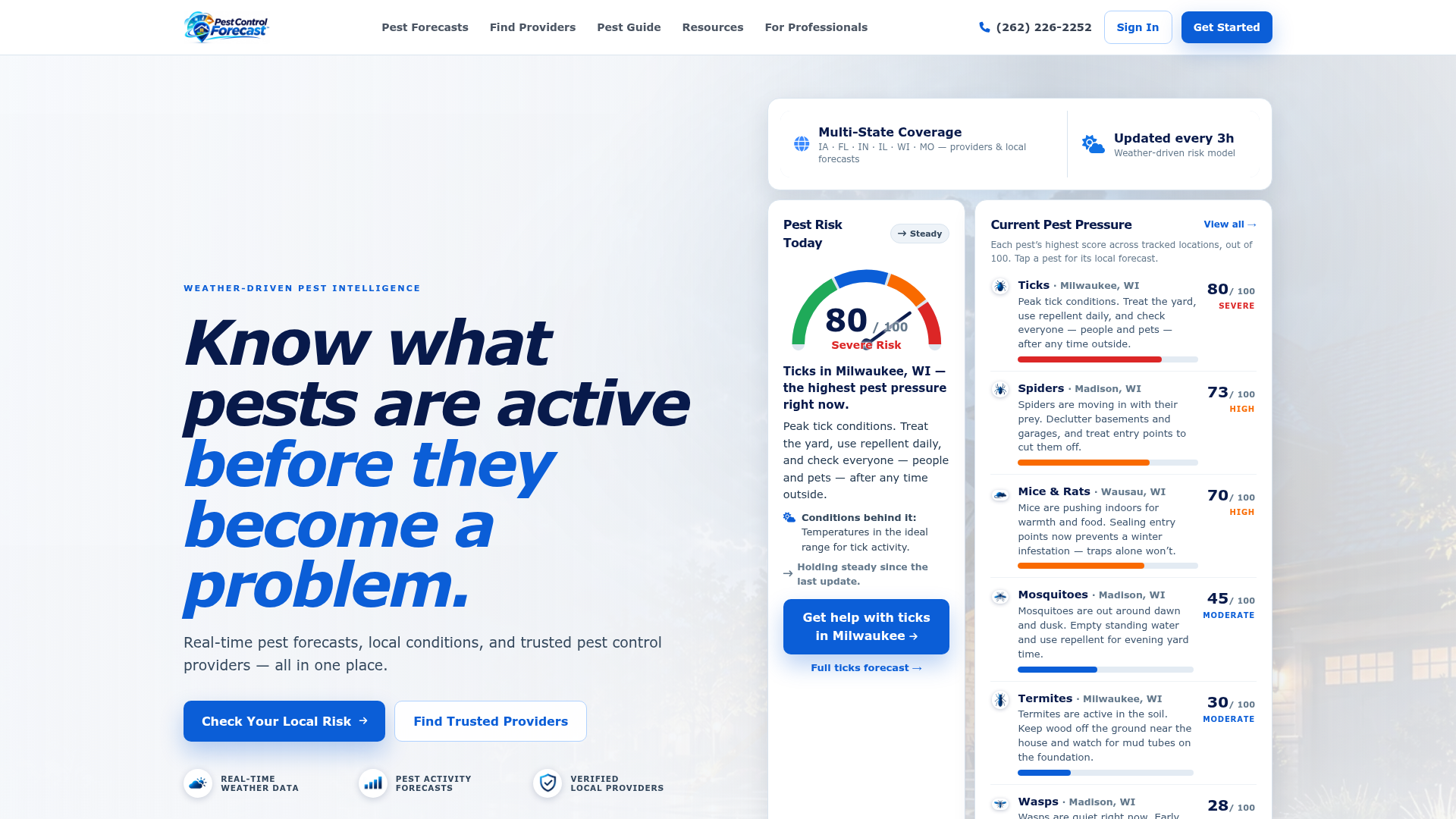
For Wisconsin residents seeking the best pest control solutions, Pest Control Forecast offers an innovative approach by providing real-time pest risk forecasts powered by local weather data. This service helps you stay ahead of potential infestations by offering timely insights into pest activity, allowing you to take proactive measures to protect your home and business. By utilizing their weather-driven risk model, you can effectively manage pest threats and ensure a safer, more comfortable environment. Discover more at Pest Control Forecast today!
FAQ
- What criteria should I consider when selecting a pest control service in Wisconsin?
Before choosing a pest control service, consider the range of services offered, technician qualifications, and the company's reputation. Look for certifications and training, and prioritize companies with positive customer reviews and eco-friendly options to ensure effective and safe pest management. - Are there eco-friendly pest control methods available for Wisconsin residents?
Yes, eco-friendly pest control methods are available and focus on minimizing environmental impact. These methods include using natural predators, organic pesticides, and integrated pest management (IPM) techniques, which combine biological, physical, and chemical tools for safe and effective pest control. - How can I identify when professional pest control is necessary in Wisconsin?
Professional pest control is necessary when dealing with pests like termites or stinging insects, which can cause significant damage or pose health risks. If DIY methods fail or you notice extensive damage or multiple nests, it's time to seek expert assistance. - What factors influence the cost of pest control services in Wisconsin?
Pest control costs are influenced by the type of pest, infestation size, property size, and service frequency. More complex treatments, larger infestations, and extensive property areas generally lead to higher costs, while recurring service plans may offer financial benefits over one-time treatments. - What are some common pests found in Wisconsin homes?
Wisconsin homes commonly face pests like ants, bees, and cockroaches. Ants can form large colonies, bees may build problematic hives, and cockroaches are resilient and can spread disease, making effective control methods essential for maintaining a healthy home environment. - How do seasonal changes affect pest control strategies in Wisconsin?
Pest activity in Wisconsin varies with the seasons, requiring tailored strategies. Spring and summer see increased ant and termite activity, while fall and winter bring rodents indoors. Understanding these patterns helps in proactively addressing pest issues before they escalate. - What should I expect during a professional pest control treatment?
During a pest control treatment, a technician will inspect your property to identify pests and infestation extent. They will ask about pest sightings and damage, then develop a tailored treatment plan. Expect clear communication about the process, duration, and any necessary follow-up actions. - What preventative measures can I take to keep pests away in Wisconsin?
Preventative measures include understanding seasonal pest behaviors and maintaining cleanliness to deter infestations. Regularly inspect your home for entry points, seal gaps, and manage waste properly to reduce pest attraction and minimize the risk of infestations. - How important are customer reviews when choosing a pest control company?
Customer reviews are crucial as they provide insights into a company's reliability, treatment effectiveness, and customer service quality. Focus on reviews discussing response time, service satisfaction, and treatment outcomes to make an informed decision when selecting a pest control provider. - What are some DIY pest control tips for Wisconsin homeowners?
DIY pest control tips include identifying common pests like ants and cockroaches and using targeted methods such as bait traps and natural repellents. Regularly clean and declutter your home to eliminate potential food sources and nesting areas, helping to prevent infestations.